
Automation Training
15+ YEARS OF EXPERIENCE
Best Library Automation Training in India
Best Library Automation Training in India
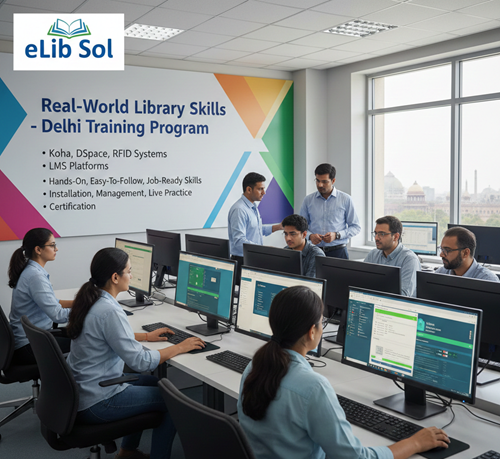
Our training in Delhi is, for people who work in libraries and students who study library science. We want to help them learn skills that they can really use. They will learn about Koha and DSpace and RFID systems. How to use the library management system.
Our training is very practical and easy to understand. It is based on what happens in libraries every day. People who take our training will learn how to install and manage these systems and how to use them in a library. They will get to practice what they learn and get a certificate when they are done. This will give them the confidence and skills they need to do their job. They will learn about Koha and DSpace and RFID systems and the library management system.
What Our Training Covers
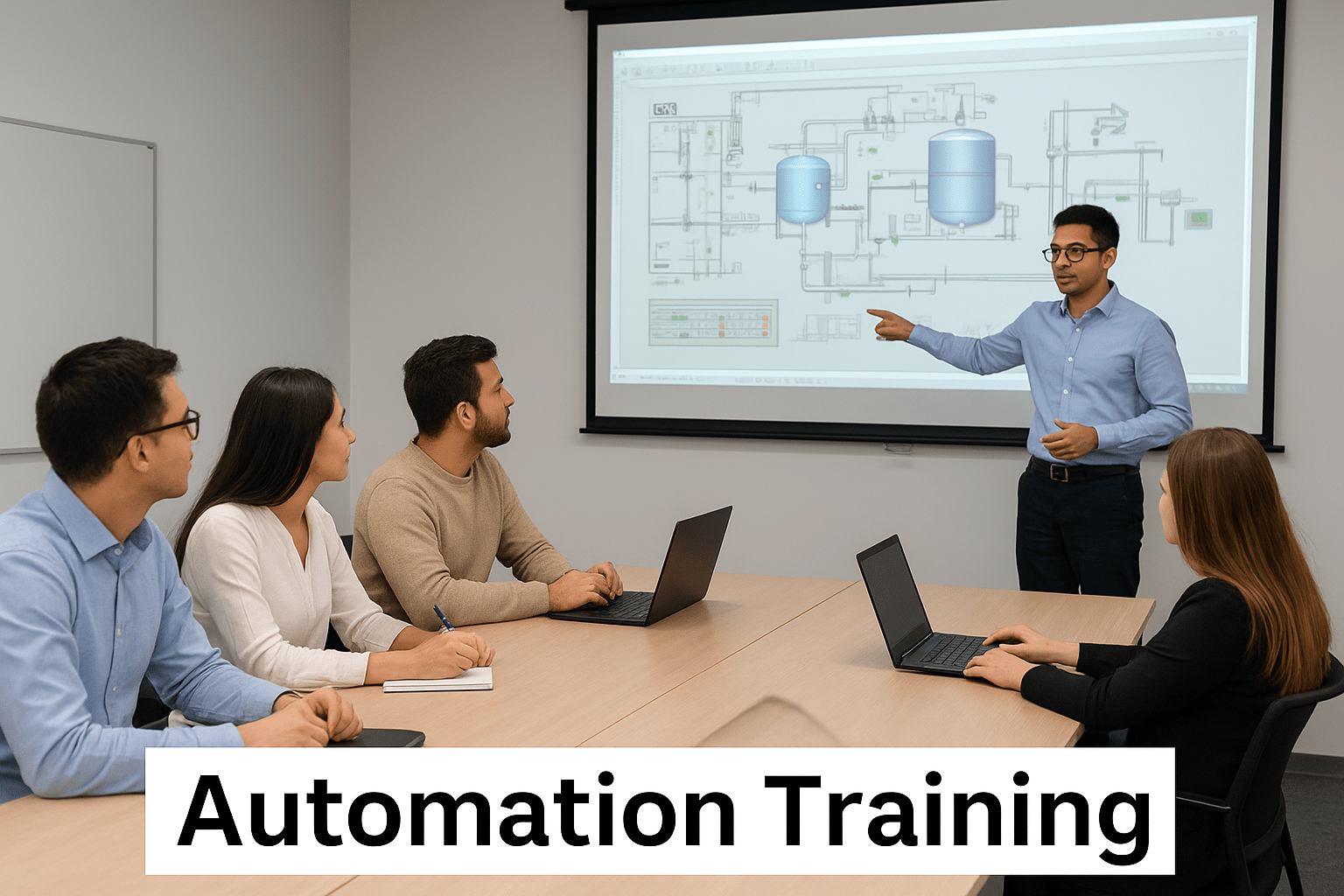
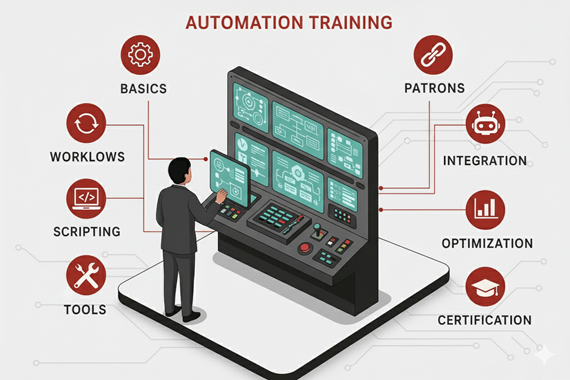
Our automation training equips your team to manage modern library systems efficiently—simplifying workflows and delivering faster, better services through hands-on learning and expert support.
Library Systems
Koha & DSpace management.
RFID Operations
Scanners, kiosks, and security gates.
Website Management
Update and customize library portals.
Reports & Support
Generate insights and assist patrons.
Benefits of Our Training
Our training helps staff by giving them the right tools and skills to make automation easy.
01
Practical Learning
We give you hands-on training that is made for your library.
02
Step-by-Step Guidance
Anyone can learn with our training no matter how much they know.
03
Ongoing Support
You can get help from us anytime you need it and we also give refresher training.
04
Confidence Building
Our training helps you do things on your own so you do not need to ask for help from outside.
05
Efficiency & Productivity
Efficiency and ProductivityOur training makes the work, in the library easier and faster.
06
Future-Ready Skills
Our training prepares you for the technologies that are coming to libraries.
Take your library to the next level
FREQUENTLY ASKED QUESTIONS
Answers to Your Questions
How long does the training take?
Typically 1–5 days, depending on your library size and staff experience.
Can you train staff on existing systems?
Yes. We provide hands-on training tailored to your current Koha, RFID, or DSpace setup.
Do you provide ongoing support?
Absolutely. Continuous support and refresher sessions are available.
Can the training be customized?
Yes. Modules are adapted to your workflows, systems, and skill levels.
Is Automation Training cost-effective?
Yes. It saves time, reduces costs, and improves operational efficiency.
What topics are covered?
Circulation, cataloging, integrations, hardware usage, troubleshooting, and workflow optimization.